Beyond historical echoes: How global communities marked World Day Against Witch Hunts 2026
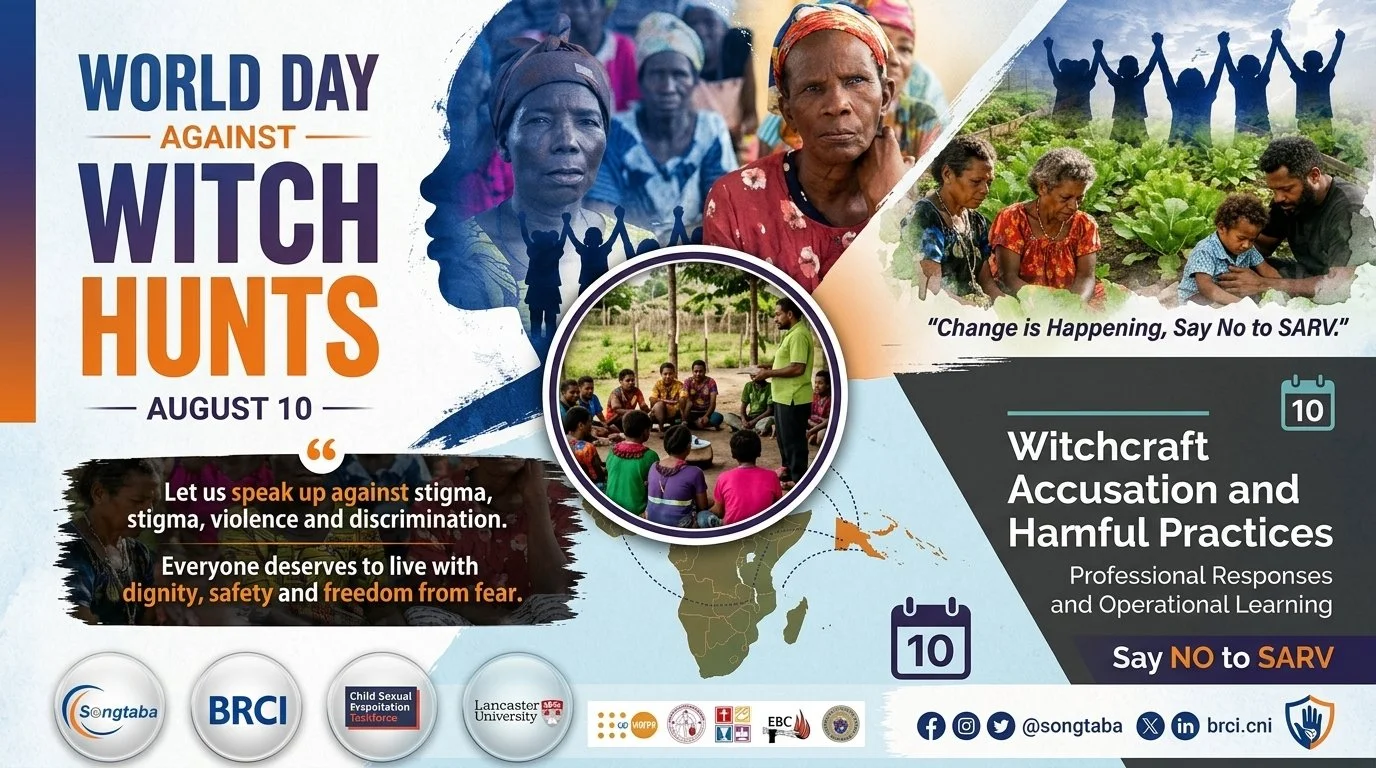
On the 10th of August, global advocates united for World Day Against Witch Hunts to confront a modern human rights crisis, honour survivors and drive policy change across more than 50 nations. Read on to find out what’s been going on.
by INAWARA
Every year on the 10th of August, the world marks the World Day Against Witch Hunts as a day to honour victims and survivors, shatter silence and confront a persistent, ongoing human rights crisis.
Far from being a relic of the early modern period, harmful practices and violence stemming from witchcraft accusations affect tens of thousands of people in over 50 countries today, disproportionately targeting women, children, older adults and persons with disabilities.
Marking its seventh official year (as highlighted by advocates like Rox Madeira), 2026’s observance brought a distinct emphasis on community leadership, policy accountability and creative healing.
1. Engaging local power: Traditional leaders as agents of change
In West Africa, advocacy shifted towards traditional governance. Under the 2026 focus, ‘Chiefs and Ending Witch Hunts in Communities’, the Advocacy for Alleged Witches (AfAW), led by Dr. Leo Igwe, issued urgent calls to monarchs and traditional leaders across Southeast Nigeria and Africa, as reported in The Nation and The Sun Nigeria.
Because chiefs often hold informal authority over land disputes, local trials and banishments, campaigners highlighted that traditional rulers must lead the shift away from harmful superstition towards justice and human rights.
Chiefs, traditional rulers, and community leaders are critical...
Witch hunting is unconstitutional and cannot be tolerated/
or justified as African culture or tradition. -
Advocacy for Alleged Witches (AfAW)
2. Pushing for legislative action: Passage of the Anti-Witchcraft Accusation Bill
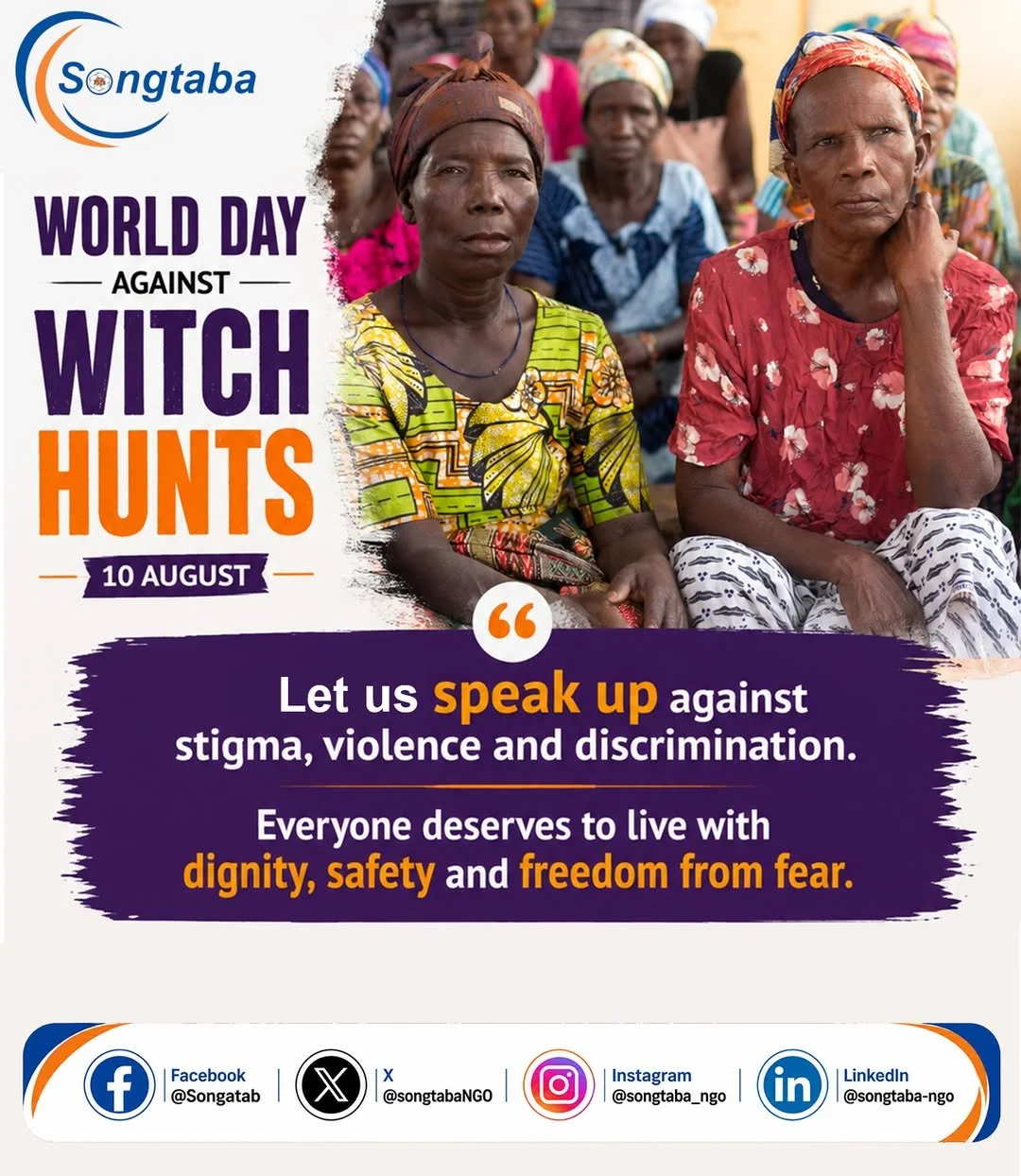
Grassroots organisations across Ghana, including ActionAid Ghana and Songtaba, utilised World Day Against Witch Hunts to demand concrete legal reform. Both groups urged the Parliament of Ghana to fast-track the Anti-Witchcraft Accusation Bill.
Advocates emphasised that condemning violence is no longer enough; state institutions, including the Ministry of Gender, Children and Social Protection, the Police Service and the Commission on Human Rights and Administrative Justice, must enforce legal protection, accountability and public education.
3. Global frontlines: Frontline heroes
In Papua New Guinea and the wider Pacific region, the day brought renewed focus to longstanding efforts against Sorcery Accusation-Related Violence (SARV). The Melanesian Institute continued its roll-out of a community curriculum seeking to encourage communities to reject sorcery accusations and to promote peaceful dialogue.
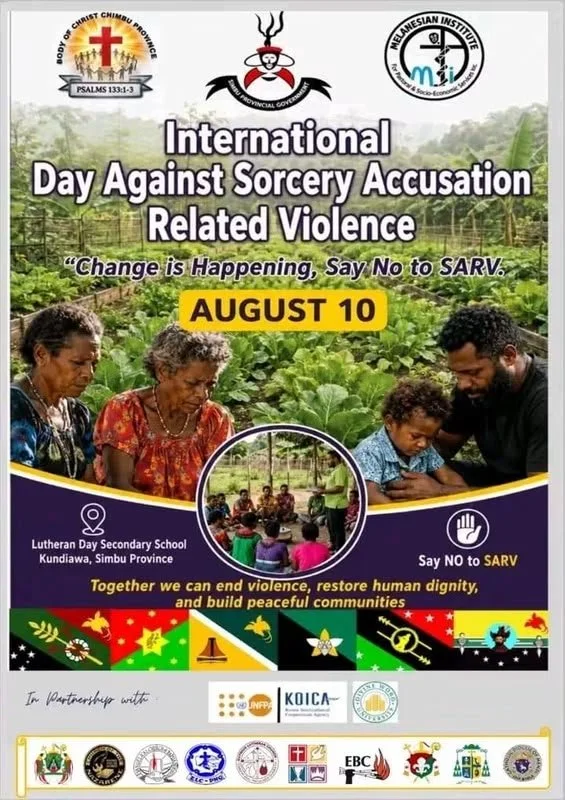
International coverage and media, such as the recent episode of the About Witch Hunts podcast featuring PNG-based Sister Lorena Jenal alongside Jörg Nowak, highlighted the courageous frontline work being done to rescue and support survivors.

Connecting these Pacific frontlines with wider international efforts, INWARA’s global network promoted its major international conference scheduled for November 2026 in Malawi. This landmark event brings together researchers, civil society and policymakers from across the globe to assess regional progress on UN Resolution 47/8. Registrations are now open!
These happenings show how both local interventions and cross-regional convenings are making a difference in spreading the word about preventing witch hunts wherever they are happening in the world.
4. Healing through art and historical memory
Observances around the world connected historical memory to contemporary healing:
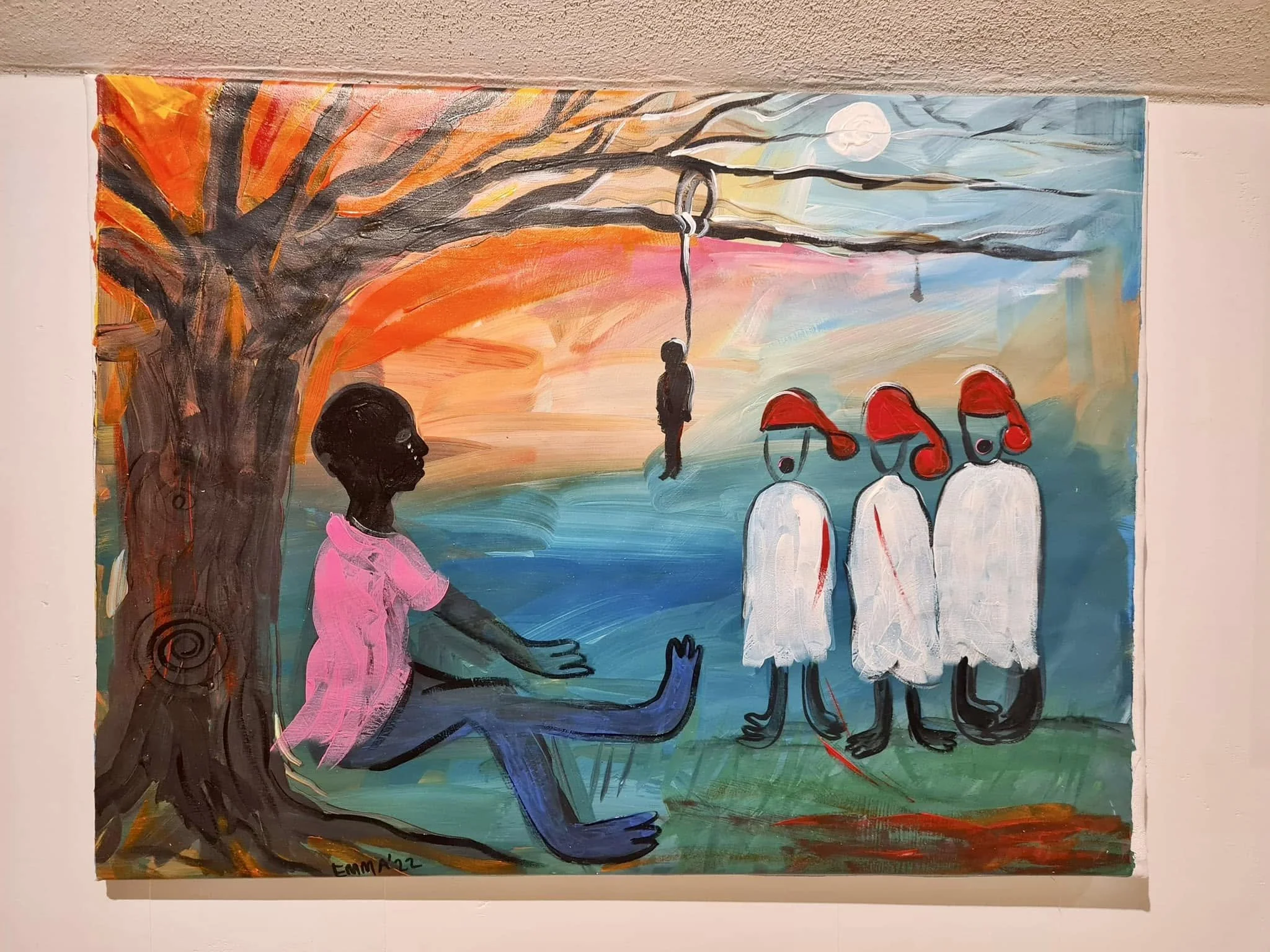
Turning trauma into art: As detailed by Anja Ringgren Lovén, Denmark’s HEX Museum of Witch Hunt partnered with Land of Hope to showcase artwork created by children who survived witchcraft branding and exile in West Africa. Guided by art teacher Joeberry Bassey, survivor children translated memories of fear, loss and anger into powerful canvas pieces, like Emmanuel’s "I Survived" shown below.
Historical memory projects: In North America, organisations such as the Connecticut Witch Trial History and Exoneration Project joined international efforts to remind the public that modern extrajudicial persecutions mirror the exact social panic, fear and scapegoating patterns laid out centuries ago in historical texts like the Malleus Maleficarum (1486).
Rights and dignity advocacy: Groups like the Basic Rights Council Initiative (BRCI) reinforced this through campaigns declaring that witchcraft branding is a human rights violation, not tradition.

Looking ahead
Ending witchcraft accusations requires addressing root systemic vulnerabilities: gaps in healthcare, lack of formal education and economic insecurity that breed scapegoating in times of crisis.
Advocacy efforts continue to push for official UN recognition of the 10th of August as an international day against witch hunts. In an open letter to Annalena Baerbock, President of the 80th UN General Assembly, Pastor Dirk Bingener (President of international relief organisation missio Aachen) formally called for 10 August to be designated as an official UN Day of Remembrance and Action against Sorcery Accusation-Related Violence (SARV). Citing growing global violence, public social media abuses and the origin of the date (commemorating a Papua New Guinean survivor named Christina who escaped torture on the 10th of August 2012), the appeal urges member states to strengthen prevention, data collection and survivor support under UN Resolution 47/8.
As civil society groups look forward, the core message of World Day Against Witch Hunts remains clear: witchcraft accusations are not tradition - they are human rights violations. Choose evidence over accusation; compassion over persecution.
Image attribution notes:
Global frontlines: About Witch Hunts podcast, https://www.youtube.com/watch?v=EiF-erCUxbU
BRCI & Songtaba Graphics: Basic Rights Counsel Initiative (BRCI) and Songtaba for campaign posters emphasising #DignityNotStigma and #ProtectEveryChild.
Exhibition artwork: Anja Ringgren Lovén / Land of Hope / HEX Museum of Witch Hunt for youth artwork displays.
Historical memorials: Connecticut Witch Trial History and Exoneration Project.