Restoring Dignity and Hope: Community Mental Health Support for Women Accused of Witchcraft in Northern Ghana
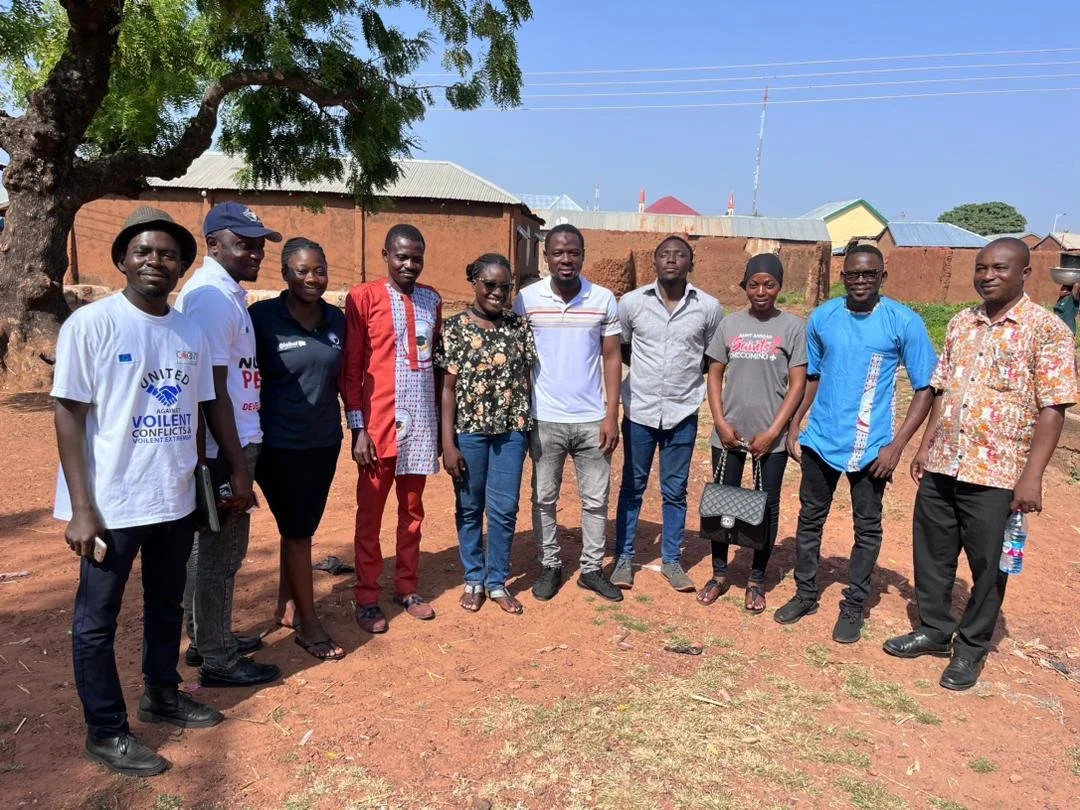
With support from INAWARA, a six-month mental health initiative in Northern Ghana provided counselling, community education and volunteer training to support 50 women accused of witchcraft, helping restore dignity, strengthen resilience and spark wider community awareness. Read on to find out what happened.
by INAWARA
Across parts of northern Ghana, accusations of witchcraft continue to have devastating consequences for some of the most vulnerable members of society, particularly older women who may already be facing poverty, loss or social isolation. When accused, many are forced to leave their homes and communities, finding refuge in so-called ‘witch camps’, where they live with stigma, trauma and limited access to support.
A recent community initiative led by Total Life Enhancement Centre Ghana (TOLEC GH) is helping to change that story - one conversation, one counselling session and one community dialogue at a time.
Supported by a small grant from the International Network Against Accusations of Witchcraft and Ritual Attacks (INAWARA), this six-month pilot project set out to provide mental health and psycho-social support (MHPSS) to women living in two districts of Northern Ghana.
Despite its modest funding, the project achieved something powerful: it created spaces for healing, listening, and renewed dignity.
A community-based approach to healing
TOLEC GH is a psychology-focused organisation working across northern Ghana to improve mental health literacy, expand access to psychological care and empower marginalised communities. Since its founding in 2018, the organisation has worked with hundreds of individuals who face severe social and psychological challenges.
This initiative focused specifically on women accused of witchcraft living in Gambaga (North East Region) and Kpatinga (Northern Region). The project supported 50 women, part of a wider population of more than 500 individuals affected by witchcraft accusations across four districts..
The work centred on four key activities:
Psychological assessments using internationally recognised tools
Individual and group therapy sessions
Training local volunteers in trauma-informed psycho-social support
Community advocacy and awareness activities on mental health and human rights.
Together, these activities aimed not only to support individuals experiencing trauma, but also to strengthen community understanding and compassion.
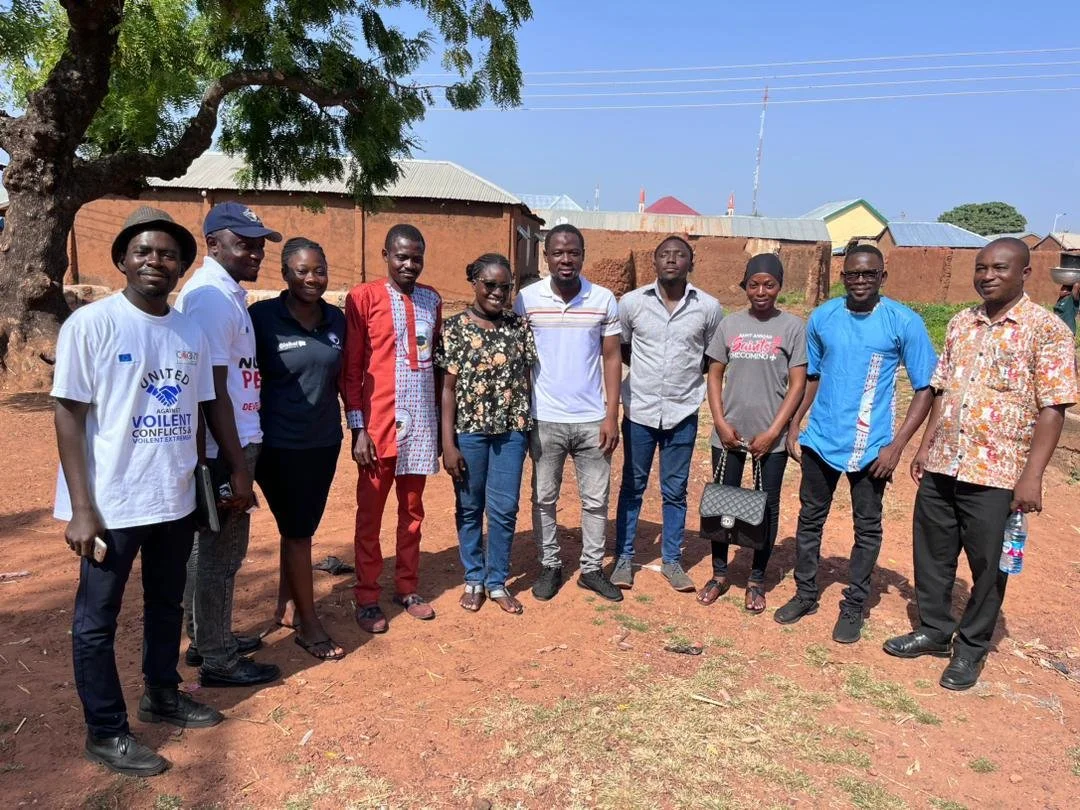
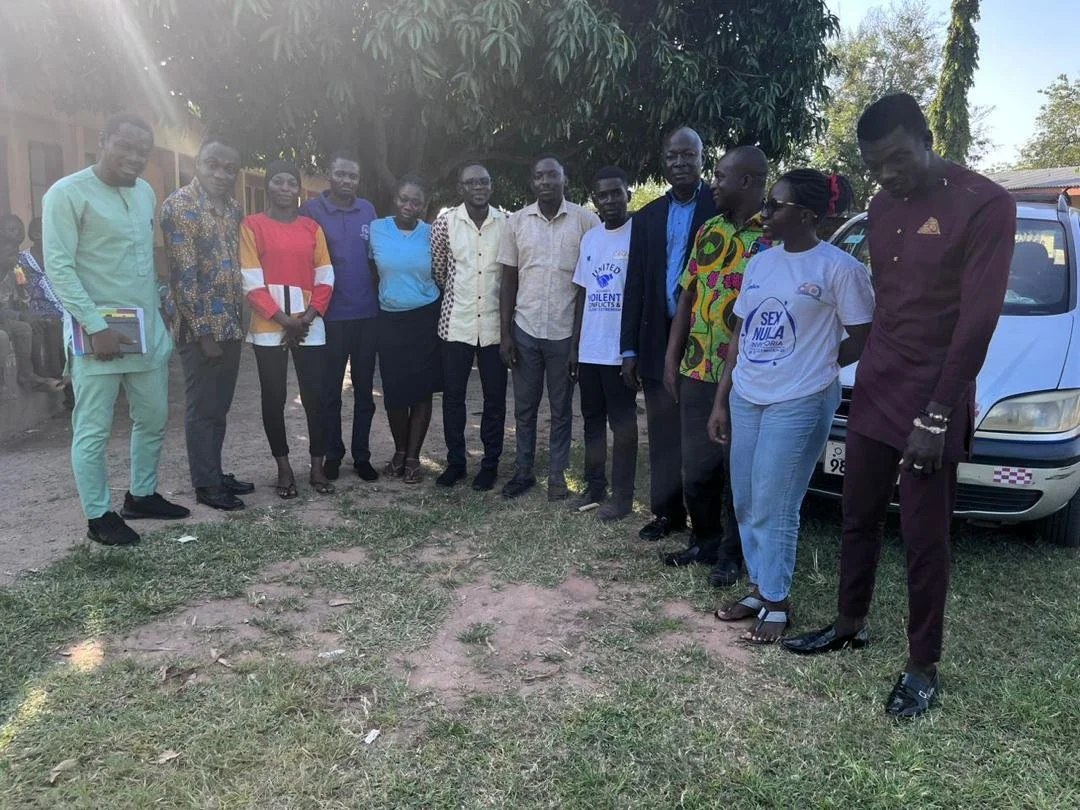
Staff of Total Life Enhancement Centre Ghana
Understanding the hidden psychological toll
The project began with psychological assessments to better understand the emotional and mental health challenges faced by women in the camps. The results revealed the depth of distress caused by accusations and social exclusion.
In Gambaga, where 40 women participated:
65% showed symptoms of anxiety
55% showed symptoms of depression
35% experienced high stress
75% showed signs of psychological distress.
In Kpatinga, amongst 10 participants:
90% experienced anxiety
80% experienced depression
80% reported high stress
90% showed severe psychological distress.
These findings confirmed what many advocates already knew: accusations of witchcraft leave lasting emotional wounds.
Women described grief, fear, social rejection and the pain of separation from their families. Many had lived with stigma for years.
Yet the project also revealed something hopeful - when communities create supportive spaces, recovery becomes possible.
Creating safe spaces for listening and healing
At the heart of the initiative were individual and group counselling sessions, where women could speak openly about their experiences and begin the process of healing.
These sessions helped reduce isolation and encouraged solidarity amongst the participants. For many women, it was the first time they had been invited to talk about their trauma in a supportive environment.
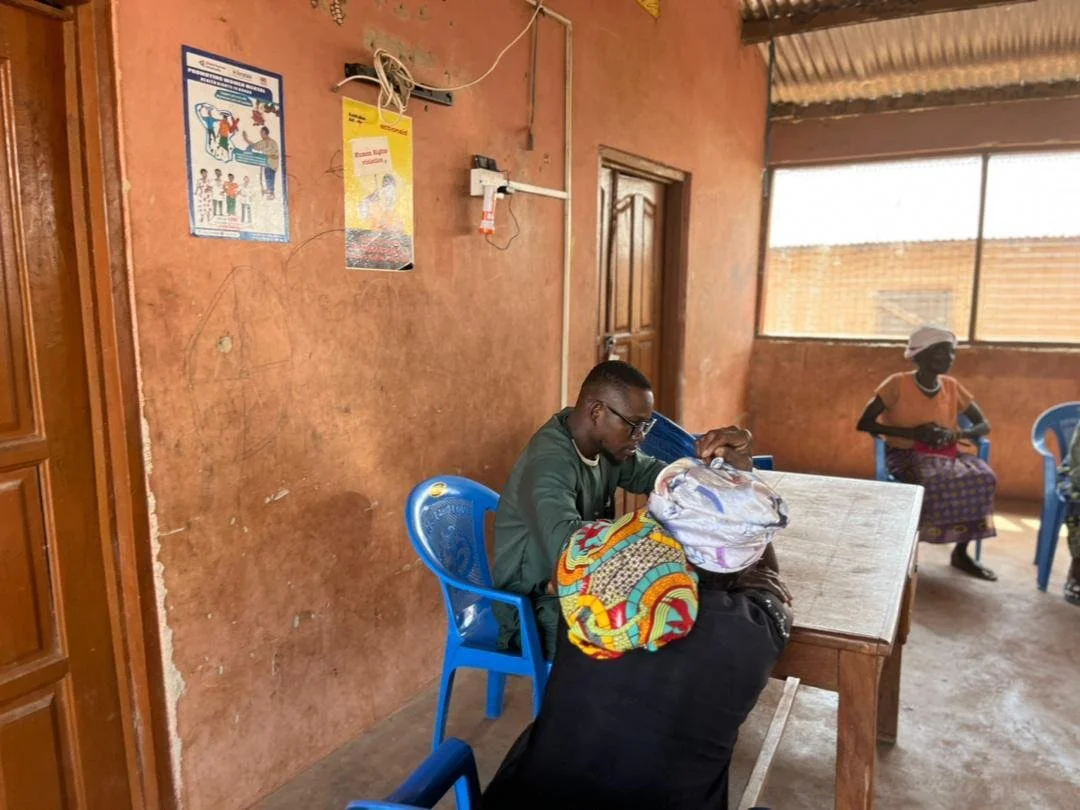
Through these conversations, participants began to rebuild confidence and rediscover a sense of belonging.
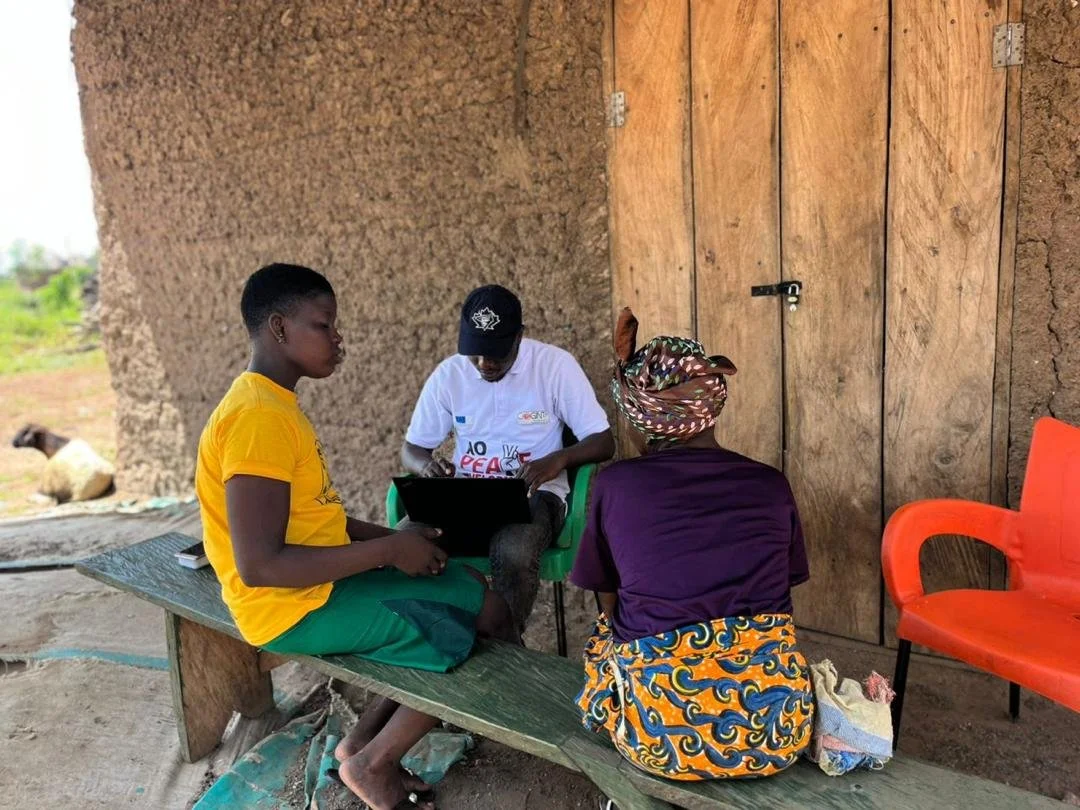
Community support also played an important role. In Gambaga, women who received regular spiritual and social support from a local church community were observed to have greater emotional stability, highlighting the protective role that compassionate community networks can play in recovery.
Strengthening community support
Healing individual trauma is only part of the solution. Lasting change requires shifts in community understanding. To support this, TOLEC GH trained 20 local volunteers in trauma-informed psycho-social support. These volunteers are now better equipped to recognise mental health challenges and provide basic emotional support within their communities.
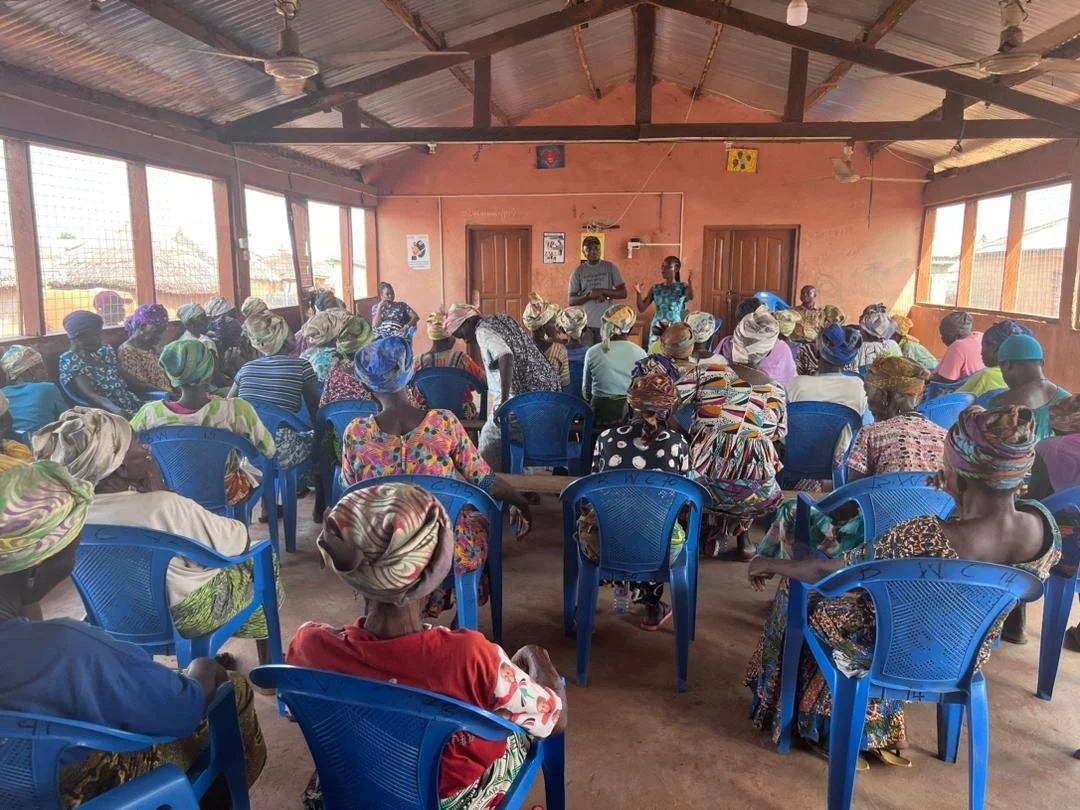
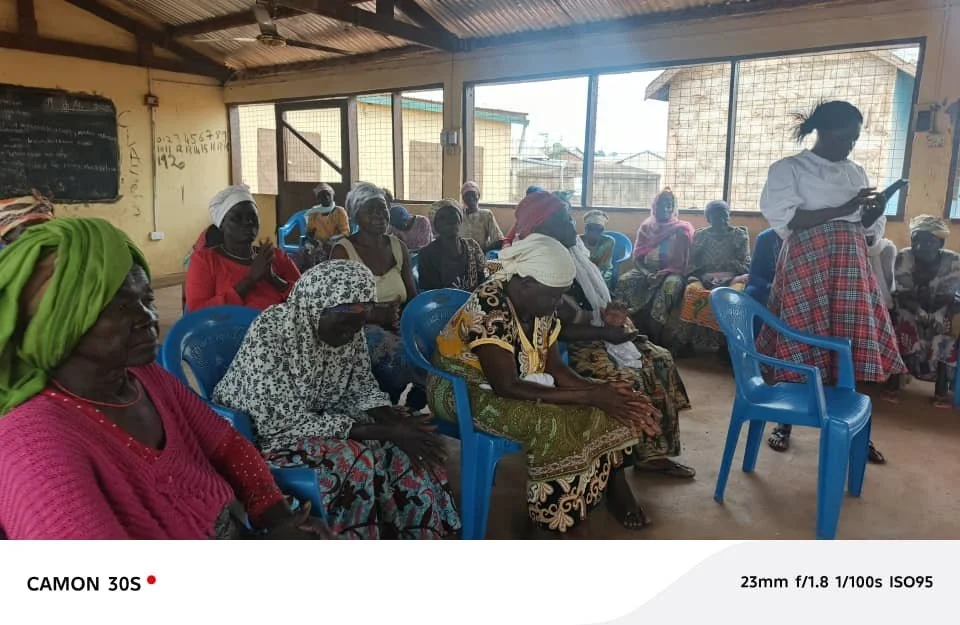
Community awareness sessions also encouraged dialogue about mental health, stigma and the human rights of women accused of witchcraft. Local leaders participated in discussions and acknowledged the importance of mental health support, an encouraging sign that attitudes are beginning to shift.
Conversations that restore hope
One of the most powerful elements of the project was the simple act of conversation. In village discussions and informal gatherings, women shared their experiences while community members listened and reflected.
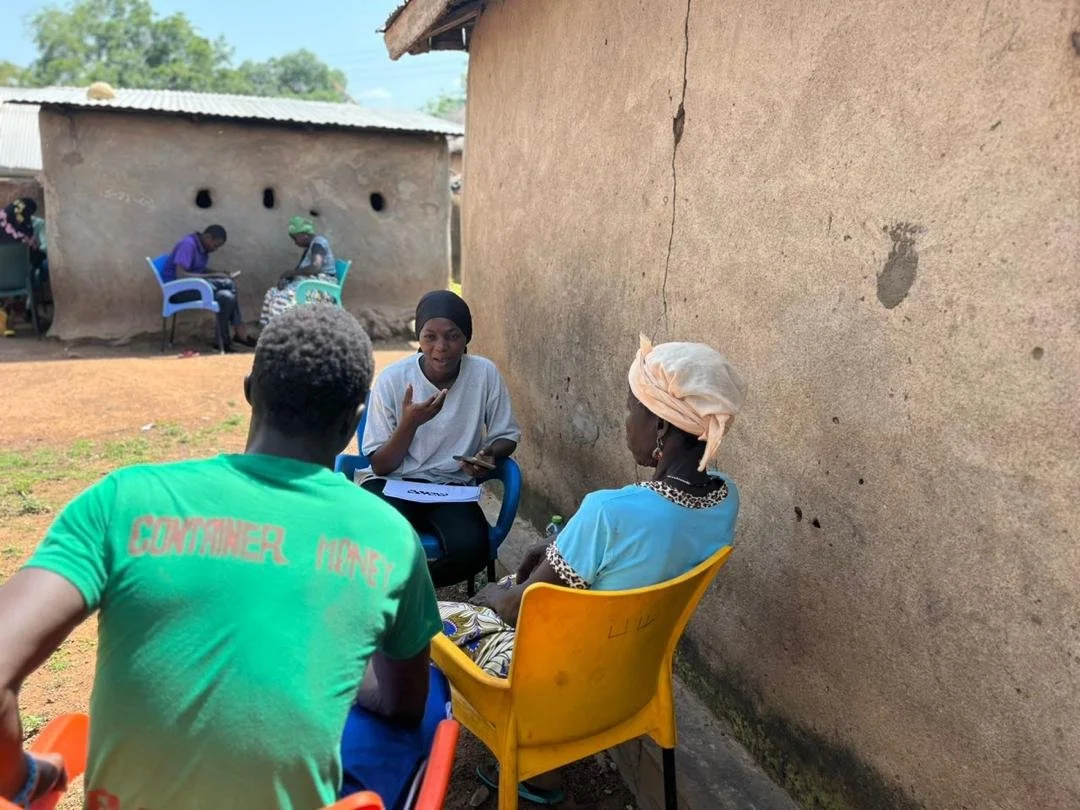
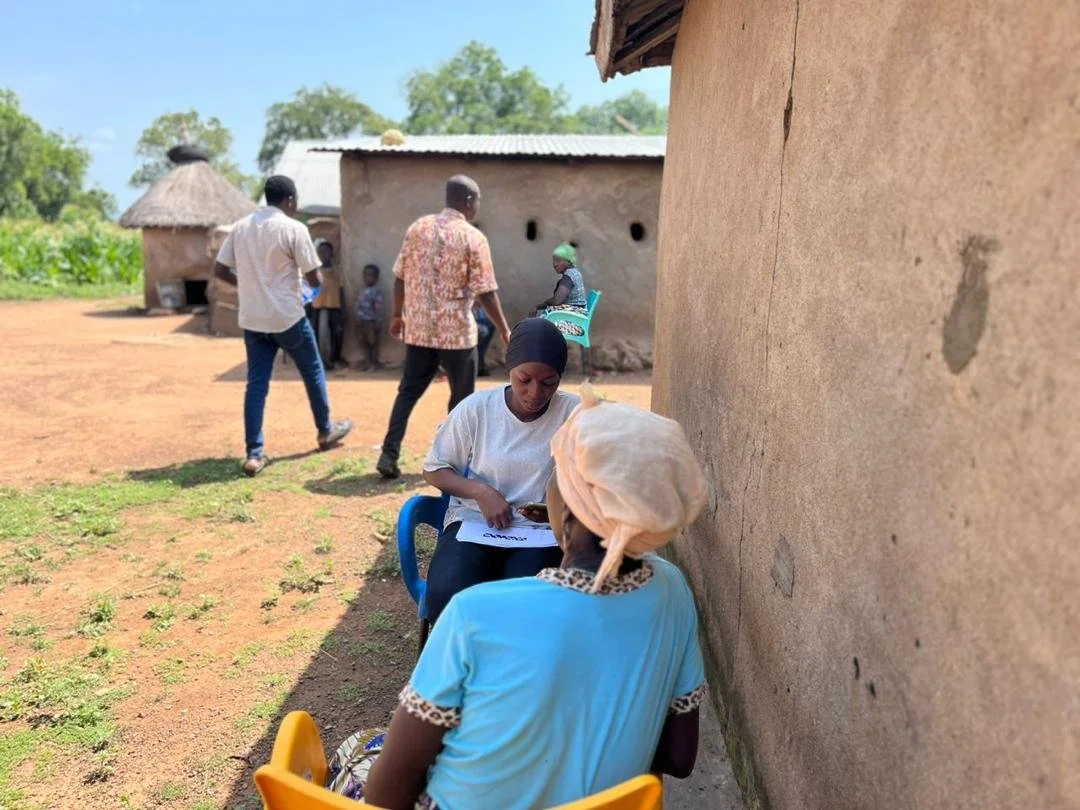
These dialogues helped break the silence surrounding accusations and allowed communities to see the human stories behind the stigma.
A small project with meaningful impact
By the end of the six-month initiative, the project had achieved several important outcomes:
Improved psychological well-being and trauma recovery amongst 50 women
Increased community awareness about mental health and stigma
Stronger local capacity for trauma-informed support through volunteer training
Greater visibility for the issue, creating opportunities for future partnerships and expansion.
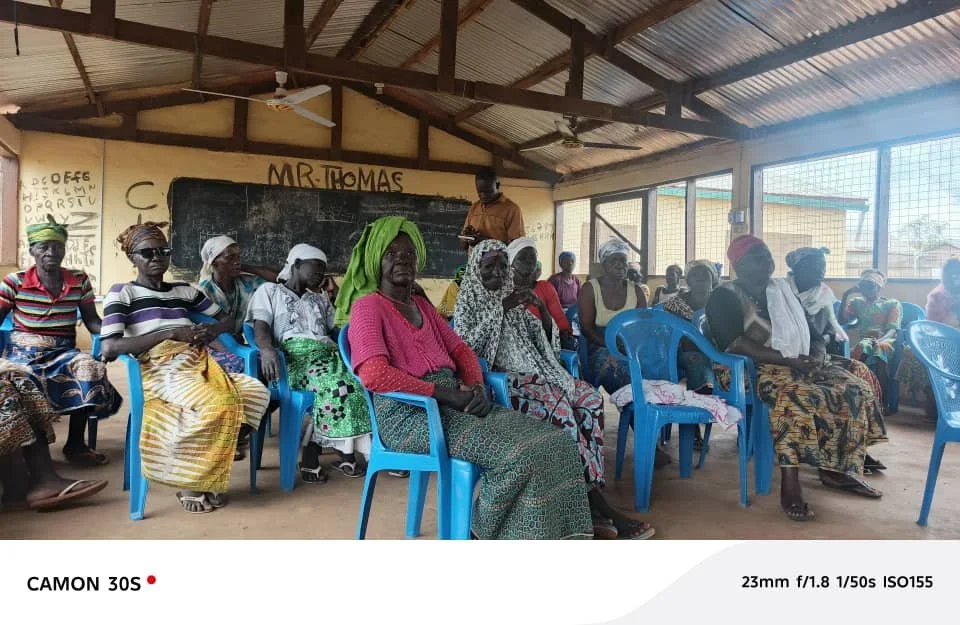
Perhaps most importantly, the project restored something often taken away by accusations: dignity.
Looking ahead
While this pilot project reached 50 women, more than 500 individuals across four districts continue to live with the consequences of witchcraft accusations.
The success of this initiative demonstrates that even modest resources, when guided by local expertise, compassion and community engagement, can create meaningful change.
TOLEC GH hopes to build on these results and expand the program so that more women can access the mental health support, community understanding and opportunities for reintegration that they deserve.
With continued collaboration and support, initiatives like this can help transform stories of exclusion into pathways of healing and dignity.
We gratefully acknowledge the Total Life Enhancement Centre Ghana (TOLEC GH) for their inspiring work and for sharing the report that informed this story and for their wonderful images of their grant journey. Their commitment to restoring dignity, well-being and hope for women affected by witchcraft accusations continues to make a meaningful difference.